
The onset of the new century heralded the commencement of a structured political movement across various regions of India. The demise of Queen Victoria in 1901 marked the dissolution of the traditional notion of Eastern reverence for the monarchical system of governance.
A particularly devastating famine afflicted Western India. In that pivotal moment when countless lives were being lost, Lord Curzon captivated India with the opulent coronation ceremony of Queen Victoria’s successor at the magnificent Durbar in Delhi.
The Congress harbored considerable resentment towards that excess. Curzon’s educational policies and his ambition to exert control over university education, culminating in his significant internal action—the partition of Bengal Act—provoked the Congress to mobilize in protest. This marked the commencement of the second phase of the congress movement.
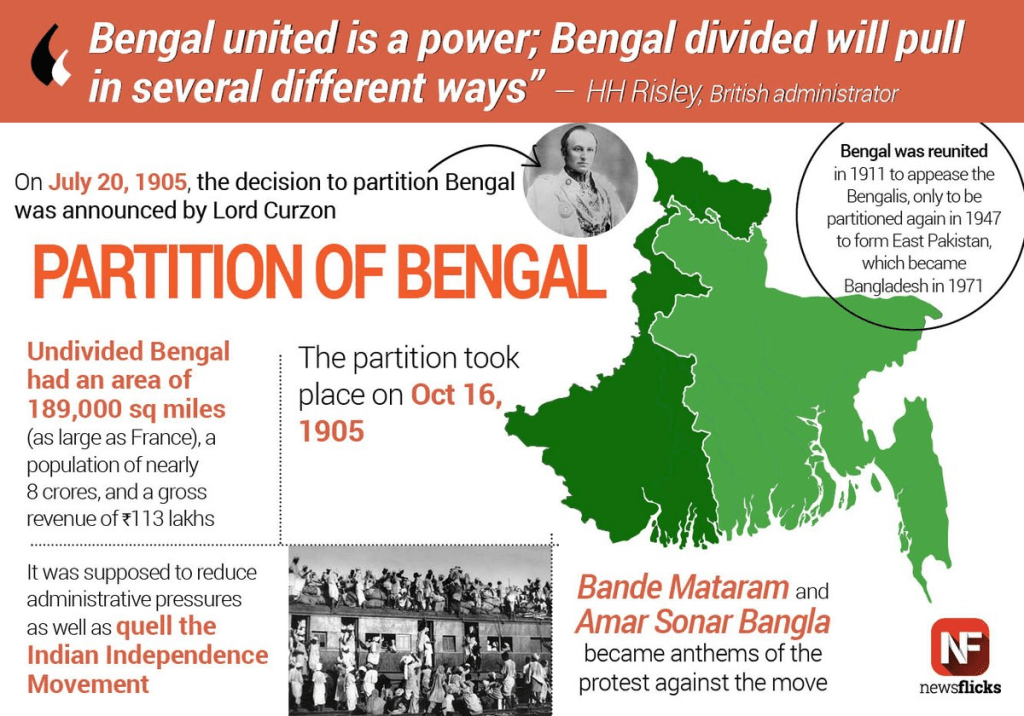
Calcutta, the capital city of the British Government, was regarded as a focal point of political activity characterized by anti-British sentiments. Curzon consequently resolved to partition Bengal, aiming to disrupt the cohesion among Indians and to impede the advancement of nationalism. The partition of Bengal was executed in a manner that fostered the emergence of communal discord in the region.
His proposition to employ communalism as a counter to nationalism was consequently revealed ( DIVIDE AND RULE POLICY from CANNING ERA). The nationalist forces, spearheaded by Aurobindo Ghose, initiated this agitation in opposition to such a design, aiming to reverse the partition. Vande Mataram emerged as the rallying cry of the populace. The National Congress imparted a novel message to the movement, that of Swadeshi, thereby elevating its prominence as the Swadeshi Movement.
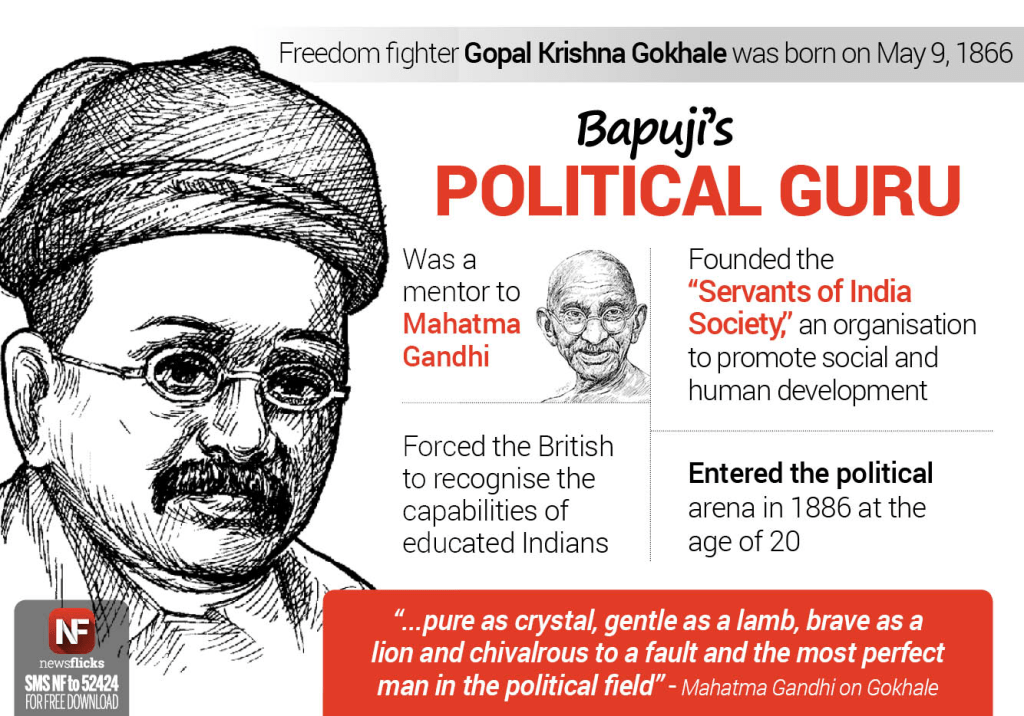
Gopal Krishna Gokhale, in his capacity as Congress President, proclaimed the Swadeshi movement to be fundamentally both a patriotic and an economic endeavor. The notion of Swadeshi, or allegiance to one’s own nation, represents one of the most exalted concepts that has ever inspired the human spirit.
Doubts ??? — Join us on – telegram. https://t.me/@plusstudents
The congress urged the populace to refrain from purchasing British goods. The informed citizens of India were acutely aware of the economic injustices perpetuated by British governance. The Indian markets during that period were inundated with finished products produced in England utilizing Indian raw materials. The Swadeshi movement thus represented a formidable challenge to the British Government. Individuals commenced the incineration of British textiles and the disposal of imported merchandise. Individuals were enticed to embrace the use of artisanal goods and textiles in various settings.
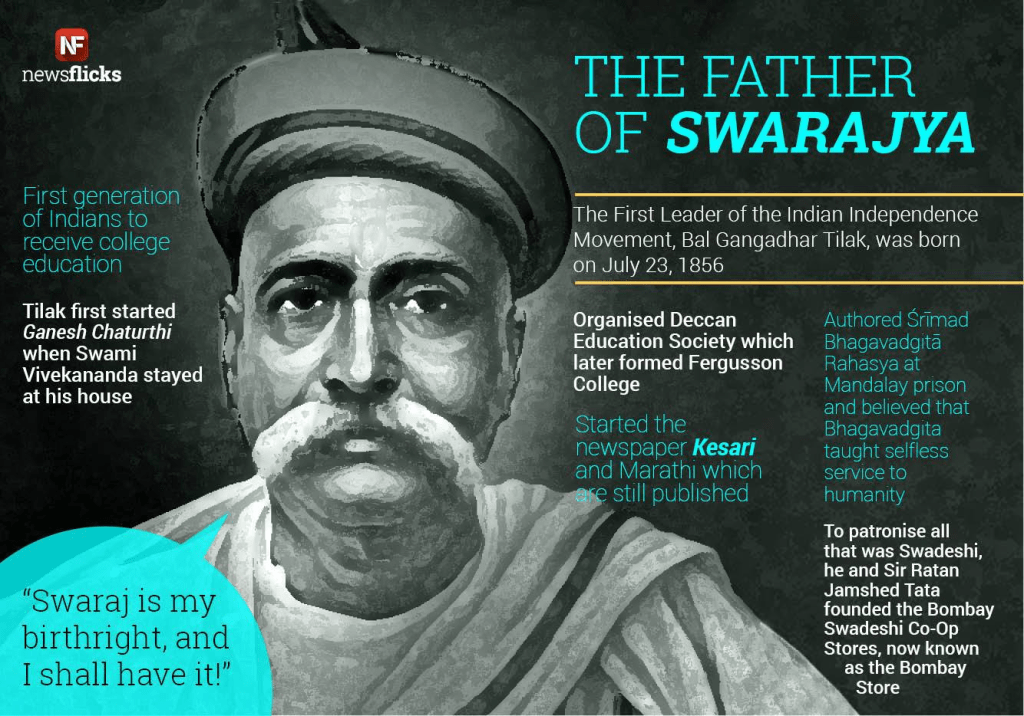
The concept of Swadeshi rapidly evolved into a significant political ideal. Individuals were motivated by the aspiration that their territory ought to belong to them rather than to outsiders. In conjunction with the Swadeshi movement, the concept of Swaraj or Swarajya emerged, signifying self-governance. Bal Gangadhar Tilak galvanized the populace with the assertion, “Swarajya is my birthright and I shall have it.” An affirmative concept for action consequently surfaced for the congress and the nationalists.
With the proliferation of the anti-partition and Swadeshi movement, the extremists opted for a more radical form of agitation. The extremist leader Bipin Chandra Pal conveyed to the Congress, “the car of Jagannath symbolizes progress; it advances at a measured pace, yet it inevitably reaches its intended destination.” Those who guide the chariot of advancement, invoking the divine and proclaiming “Bande Matram,” shall find salvation, while those who resist the momentum of progress will be trampled beneath its wheels. Regardless of whether it pertains to Hinduism or Islam Regardless of whether it pertains to Bengal or any other region.
Similar to him, numerous individuals within the congress sought to imbue the movement with a more aggressive character. Those who aligned with Tilak sought to realize their objectives through rigorous effort and confrontation. The Congress, as an institution, did not endorse these violent methods; however, numerous individuals held a fervent belief in the necessity of revolutionary activities.
It was within this context that political violence emerged in India. Conversely, the Government implemented stringent measures to suppress any form of dissent by all available means. The radical figures such as Lajpat Rai and Ajit Singh faced arrest and subsequent deportation to Mandalay. The extremist subsequently adopted a more radical stance. In response to the challenge, certain extremist factions sought to elect Lajpat Rai as the President of the Congress in 1907. The moderates, under the leadership of Gokhale, expressed their opposition to this initiative.
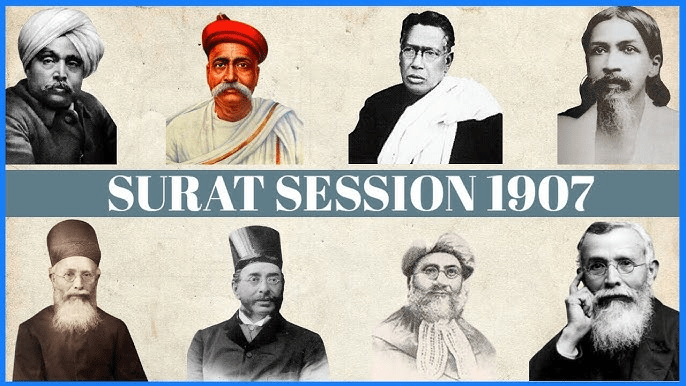
In this context, the Congress convened in Surat. During the Surat Session, a division occurred among the members. The Surat split posed a significant challenge to national unity; however, it did not undermine the Swadeshi movement. The moderates assumed control of the Congress organization, while the extremists were effectively excluded from it for an extended period.
In the year 1908, the government took the decisive action of arresting Tilak, subsequently imposing a sentence of six years of imprisonment, which led to his confinement in Mandalay. The British, alongside their repressive measures, endeavored to introduce Communalism into the political landscape of India. With their support, certain fundamentalists within the Muslim community established a new political entity called the All India Muslim League on December 30, 1906, in Dacca, the capital of the recently formed Muslim-majority province of Eastern Bengal.
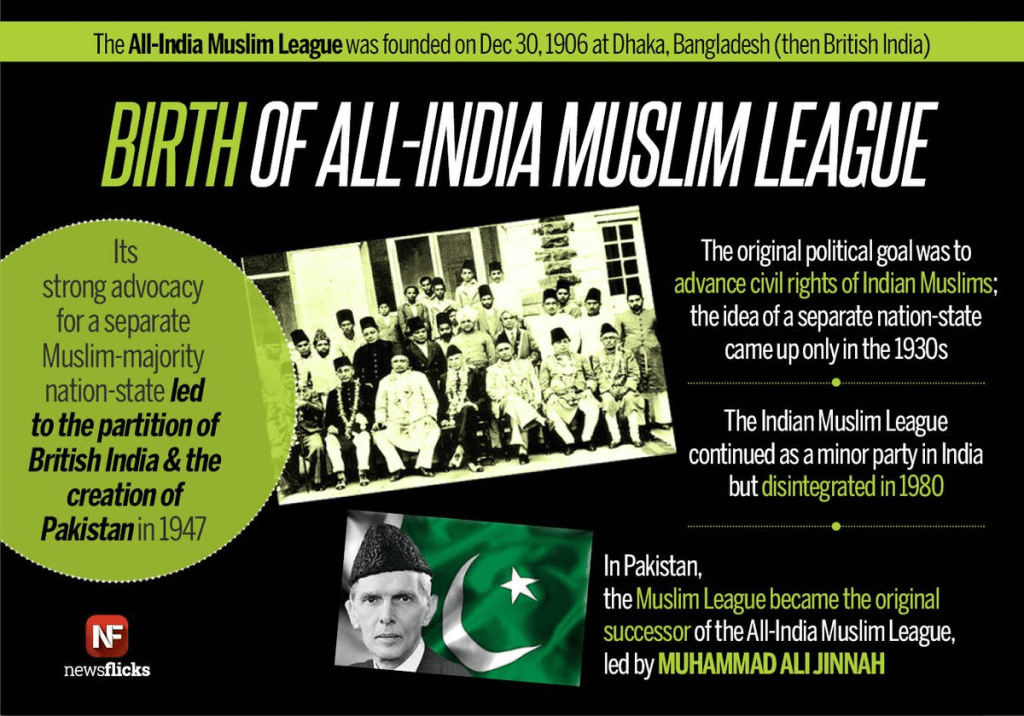
The members of the League declared their allegiance to the British Government, a stance that effectively contradicted the principles of the Swadeshi Movements. Consequently, the British implemented the strategy of “divide and rule” to mitigate the burgeoning wave of Indian nationalism. Concurrently, the British, in an effort to appease the moderates within the congress, proclaimed the notable Indian Act of 1909, also known as the Morley Minto Reforms.
The reforms provided certain political concessions, such as an expansion of the legislative councils both at the provincial and central levels; however, they also established a perilous principle of “separate electorate.” The British thereby delineated the Hindus from the Muslims within the framework of political institutions. This constituted a profound violation of the essential tenets of democratic governance. The assembly led by the moderate experienced a profound sense of disillusionment in response to this Act.
The Swadeshi movement persisted unabated. The unrest was ongoing in opposition to the partition. Following Lord Minto, the newly appointed Viceroy, Lord Hardinge, discerned that the reforms failed to meet the expectations of the Indian populace, prompting him to advocate for a revision of the policy concerning the partition. The local authorities reached a consensus to annul the partition, culminating in the year 1911 during the illustrious Durbar in Delhi, where Emperor George V personally proclaimed the establishment of the province of Bengal, encompassing all Bengali-speaking individuals from both Eastern and Western Bengal. Bihar and Orissa were established as distinct states on the same day.
This emerged as a significant triumph for the Congress and a setback for the British Government. The initial organized endeavor culminated in success. The Swadeshi movement persisted with remarkable energy and dynamism across various regions of the nation. For the spirited young patriots, the pursuit of their homeland’s ideals transcended the very essence of existence. The younger generation endeavored to sustain the momentum of the movement.
The young patriots regarded the ultimate sacrifice as an obligation of honor. They resolved to eliminate the foreign powers that governed India. A transformative movement evolved into a political ideology in India. Efforts were undertaken in various locations against the lives of Englishmen. A significant number of Englishmen lost their lives. An assassination attempt was executed against the viceroy, Lord Minto, involving the detonation of a bomb as he traversed through Ahmadabad in an open carriage. He narrowly escaped.
The remarkable figure at the forefront of this radical endeavor was Sri Arobindo Ghose. Birendra Kumar Ghose, sibling of Arobindo, established a society aimed at amassing arms and undertaking fervent preparations for a substantial uprising. Revolutionary endeavors emerged as a consistent aspect of existence in Bengal. Militant organizations were likewise engaged in Maharashtra and Tamil Nadu. Indians residing abroad established clandestine organizations in England, France, Germany, and the United States to demonstrate their unity and support for their homeland.
The Government capitalized on the division within Congress and employed oppressive tactics. By the year 1910, the extremist faction had seen the departure of all its prominent figures. In 1908, Tilak faced arrest, while Aurobindo Ghose departed for Pondicherry, a French Colony in India. Concurrently, Lala Lajpat-Rai and Bipin Chander Pal embarked on journeys to foreign territories. For a decade, Indian politics was dominated by moderates who returned to the political landscape reminiscent of the pre-1905 era.
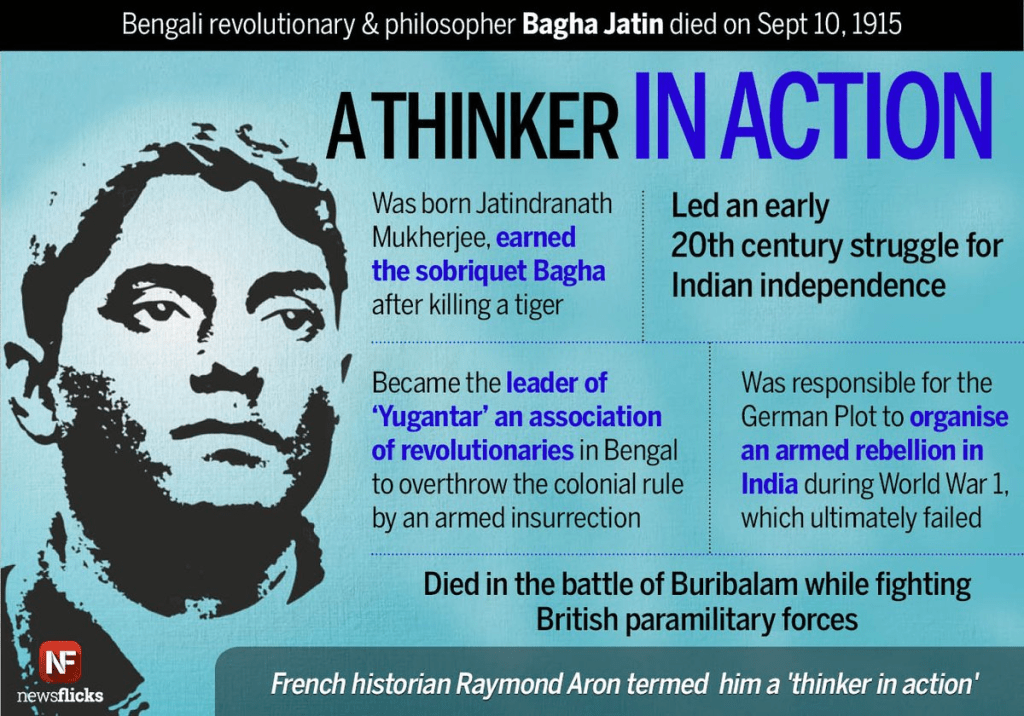
Subsequent to 1910, isolated occurrences transpired in various regions of the nation. Jyotindranath Mukherjee, a prominent figure among the Bengali revolutionaries, orchestrated the reception of a consignment of arms at Balasore. The arms failed to materialize, resulting in the betrayal of “Bagha Jatin” (Jyotindranath) and his associates. On September 9, they encountered a noble demise while engaging a substantial force of law enforcement. The political landscape in India underwent significant transformation during and following the onset of the World War.
Doubts ??? — Join us on – telegram. https://t.me/@plusstudents
Contact – 9985511391
 UPSCLOGY
Thank you Sir, Its Easy to Read ….Do more sir ….
LikeLike